
 720-897-7160
 Denver

Sleep Apnea Denver, CO: Understanding the Different Types
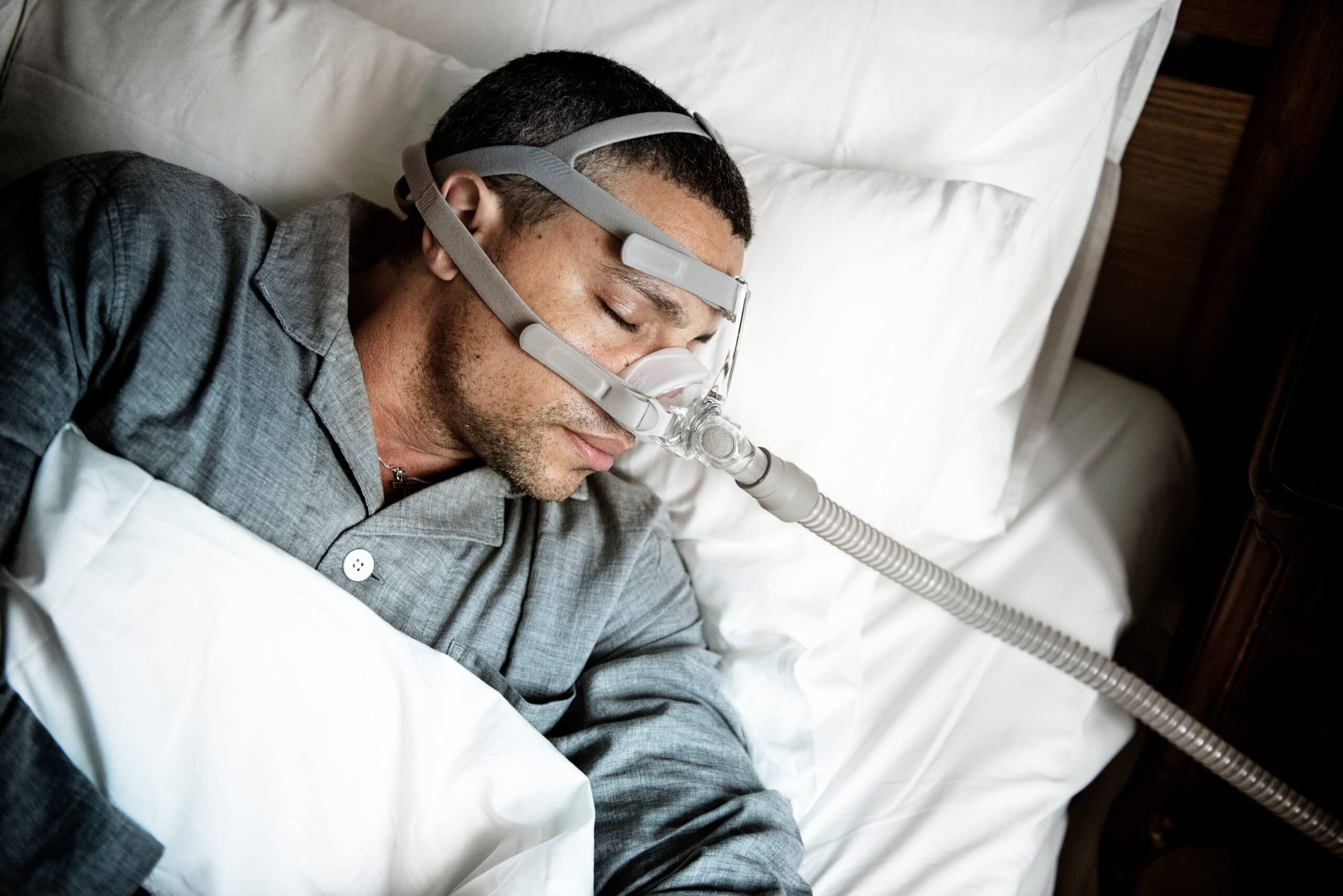
If you have been researching sleep apnea in Denver, CO, you may have come across several terms that describe different forms of this condition. Sleep apnea is not a single disorder; it encompasses distinct types that differ in cause, presentation, and treatment approach. Understanding these differences is an important first step before seeking an evaluation. At AOO | ENT Specialists of the Rockies, our board-certified team has been helping Denver Metro families navigate complex ENT and sleep concerns for over fifty-five years. We encourage you to read through this guide and then schedule a consultation with our experienced specialists.
Contact AOO | ENT Specialists of the Rockies to schedule your sleep apnea evaluation in Denver today.
What Is Obstructive Sleep Apnea?
Obstructive sleep apnea (OSA) is the most commonly diagnosed form of sleep apnea. It occurs when the muscles and soft tissues in the throat relax during sleep, causing a partial or complete blockage of the upper airway. When airflow is restricted or interrupted, the brain signals the body to briefly rouse from sleep to reopen the airway, often without the person being fully aware of it.
Common Signs and Contributing Factors
Patients with OSA frequently report loud snoring, waking with a dry mouth or sore throat, morning headaches, and excessive daytime fatigue. Contributing factors may include excess soft tissue in the throat, enlarged tonsils or adenoids, nasal obstruction, obesity, and certain craniofacial anatomy. OSA may also be associated with cardiovascular strain and metabolic concerns over time, which is why early evaluation is important.
Because OSA involves a structural component, treatment options may include continuous positive airway pressure (CPAP) therapy, oral appliances, or surgical interventions designed to address the underlying airway obstruction. A thorough evaluation with a specialist experienced in sleep medicine is the appropriate starting point. Individual results may vary based on anatomy and overall health.
What Is Central Sleep Apnea?
Central sleep apnea (CSA) differs fundamentally from OSA in that it is not caused by a physical blockage of the airway. Instead, CSA results from the brain failing to send consistent signals to the muscles that control breathing during sleep. The airway itself may be open, but breathing pauses because the neurological trigger is absent or irregular.
Who May Experience Central Sleep Apnea?
CSA is less common than OSA and is often associated with underlying medical conditions such as heart failure, stroke, or the use of certain medications, including opioids. It may also occur at high altitude, which is a relevant consideration for Denver residents given the region’s elevation. Symptoms of CSA can overlap with those of OSA, including disrupted sleep and daytime fatigue, but the absence of loud snoring is sometimes noted.
Because CSA has a neurological basis, treatment strategies differ from those used for OSA and typically involve addressing the underlying medical condition alongside targeted therapies. Accurate diagnosis through a sleep study is essential before any treatment plan is developed. Individual results may vary.
What Is Mixed Sleep Apnea?
Mixed sleep apnea, sometimes called complex sleep apnea, involves characteristics of both obstructive and central sleep apnea in the same patient. An episode may begin as a central apnea and transition into an obstructive pattern, or both types may occur independently during the same sleep study. This combination can make diagnosis and management more nuanced.
Mixed sleep apnea may be identified when a patient initially presents with apparent OSA but continues to experience apneic episodes even after the obstructive component is addressed with CPAP therapy. In these cases, a specialist with comprehensive sleep expertise is particularly valuable. If you are in the Denver area and have been dealing with persistent sleep disturbances despite prior treatment, a comprehensive reevaluation may be appropriate.
Key Differences Between the Types of Sleep Apnea in Denver, CO
Sleep apnea is not a single condition but a spectrum with distinct subtypes, each defined by its underlying cause, symptoms, and treatment approach. Obstructive Sleep Apnea (OSA) is the most common form and occurs when a physical airway blockage interrupts breathing during sleep, typically producing symptoms such as snoring, gasping, and daytime fatigue. Central Sleep Apnea (CSA) has a neurological origin, arising when the brain fails to send proper signals to the muscles that control breathing; while snoring may be less prominent, fatigue and disrupted sleep remain hallmark complaints. Mixed Sleep Apnea combines elements of both, presenting with variable symptoms that may include characteristics of either type.
All three forms are diagnosed through polysomnography, commonly known as a sleep study, which remains the gold standard for accurate classification. Treatment differs meaningfully by type: OSA is frequently managed with CPAP therapy, oral appliances, or surgical intervention, while CSA typically requires addressing the underlying condition alongside adaptive therapies, and Mixed Sleep Apnea calls for a multi-modal approach tailored to the patient’s specific presentation.
Altitude is also a relevant factor for Denver patients, as OSA may worsen at elevation, CSA can be triggered by high altitude, and Mixed Sleep Apnea carries variable altitude-related risk. The reality is that sleep apnea presentations are highly individual. Two patients sharing the same diagnosis may have very different contributing anatomy, symptom severity, and treatment responses. Denver’s high altitude adds a layer of complexity that is particularly worth discussing with a specialist who understands local environmental factors, and sleep study results should always be interpreted by a qualified provider who can contextualize findings within each patient’s overall health picture.
Reach out to our team to discuss which type of sleep apnea evaluation may be appropriate for you.
Which Type of Sleep Apnea Treatment Is Right for You?
Determining the most appropriate path forward begins with an accurate diagnosis. Patients who experience loud, habitual snoring alongside witnessed breathing pauses may be more likely to present with obstructive sleep apnea, while those with complex medical histories or who have not responded fully to standard CPAP therapy may warrant evaluation for central or mixed components.
Certain populations may be at elevated risk for sleep apnea in the Denver area. Residents who notice worsening sleep quality at altitude, patients with cardiovascular conditions, and those with a family history of sleep-disordered breathing may all benefit from a formal evaluation. Children can also be affected, and our practice offers dedicated tonsillectomy procedures in Denver that may help address one contributing structural cause of pediatric sleep apnea.
At AOO | ENT Specialists of the Rockies, our board-certified specialists conduct thorough consultations and work with each patient to develop a personalized treatment plan. No two sleep apnea cases are identical, and individualized care is essential for achieving the best possible outcomes. Results vary by individual.
Why Choose AOO | ENT Specialists of the Rockies for Sleep Apnea in Denver, CO?
AOO | ENT Specialists of the Rockies has served multiple generations of Denver Metro families since 1969. Our group of board-certified surgeons includes sleep specialists, sinus and allergy specialists, head and neck surgeons, and facial cosmetic and reconstructive surgeons, giving patients access to comprehensive ENT expertise under one practice. Several of our physicians have received recognition, including 5280 Top Doctor Awards, reflecting a longstanding commitment to clinical excellence. Our team includes providers who bring experience from highly specialized medical centers, and our collective depth of training allows us to evaluate and manage even complex or multi-component sleep apnea presentations.
To learn more about the full range of expertise available at our practice, visit our ENT specialists serving Denver, Lone Tree, and Castle Rock.
Frequently Asked Questions About Sleep Apnea in Denver, CO
Can altitude affect sleep apnea in Denver?
Research suggests that high altitude may worsen sleep-disordered breathing in some individuals. Denver’s elevation means that even patients without a prior diagnosis may notice increased breathing disruptions during sleep when at altitude. Central sleep apnea in particular has been associated with high-altitude exposure. If you are experiencing new or worsening sleep symptoms in Denver, a consultation with a sleep specialist may help clarify whether altitude is a contributing factor. Individual responses to altitude vary.
Can the different types of sleep apnea be treated at the same practice?
Yes. A comprehensive ENT practice with dedicated sleep specialists is well-positioned to evaluate and manage all three types of sleep apnea. At AOO | ENT Specialists of the Rockies, our multidisciplinary team includes specialists with expertise in the structural, neurological, and combined presentations of sleep apnea. This means patients do not need to seek multiple referrals across different practices to receive a complete evaluation and treatment plan. Consult with your provider to determine which approach is appropriate for your situation.
How is a sleep apnea diagnosis confirmed?
A formal sleep study, known as polysomnography, is the standard diagnostic tool for confirming sleep apnea and identifying which type is present. Some patients may qualify for a home sleep apnea test as an initial screening step, though in-lab studies generally provide more comprehensive data. Your provider will recommend the most appropriate testing method based on your symptoms, medical history, and overall health profile. Accurate diagnosis is essential before any treatment is initiated.
Is sleep apnea in Denver more common than in other cities?
There is no data specifically identifying Denver as having a higher prevalence of sleep apnea than other cities. However, the altitude factor is a genuine consideration, as high-elevation environments may contribute to or exacerbate sleep-disordered breathing in susceptible individuals. Denver residents who notice symptoms such as frequent nighttime awakenings, morning headaches, or persistent daytime fatigue should consult with a qualified ENT or sleep specialist. Early evaluation may help identify a treatable condition before symptoms progress.
Can sleep apnea be related to other ENT conditions?
Yes. Sleep apnea, particularly obstructive sleep apnea, may be connected to other ENT conditions such as nasal obstruction, enlarged tonsils or adenoids, chronic sinusitis, or structural issues within the nose or throat. This is one reason why evaluation by a board-certified ENT specialist can be particularly valuable. Addressing a contributing ENT condition may improve sleep apnea outcomes in some patients. You may also find it helpful to explore our broader ENT health blog for related educational content.
Schedule Your Sleep Apnea Consultation in Denver, CO
If you are experiencing symptoms that may be consistent with sleep apnea in Denver, CO, the board-certified specialists at AOO | ENT Specialists of the Rockies are ready to help. With more than fifty-five years of experience serving the Denver Metro area, our team provides personalized, evidence-informed evaluations for all types of sleep apnea. Contact us today to take the first step toward better sleep. Individual results may vary.

Dr. Keith Swartz is dual-board-certified in otolaryngology and sleep medicine, and he received his medical degree from the Uniformed Services University of the Health Sciences. He was the Chief Resident of the Department of Otolaryngology/Head and Neck Surgery at the United States Air Force Academy and founded the first comprehensive home sleep testing protocol in the United States Air Force. When not helping patients at the Associates of Otolaryngology, he loves to ski, fly fish, and spend time with his wife and three kids.




 Pay Bill
 Reviews
 Contact
 SCHEDULE