 720-897-7160
 Denver

Recovery Timeline After Endoscopic Sinus Surgery: What to Expect Week by Week
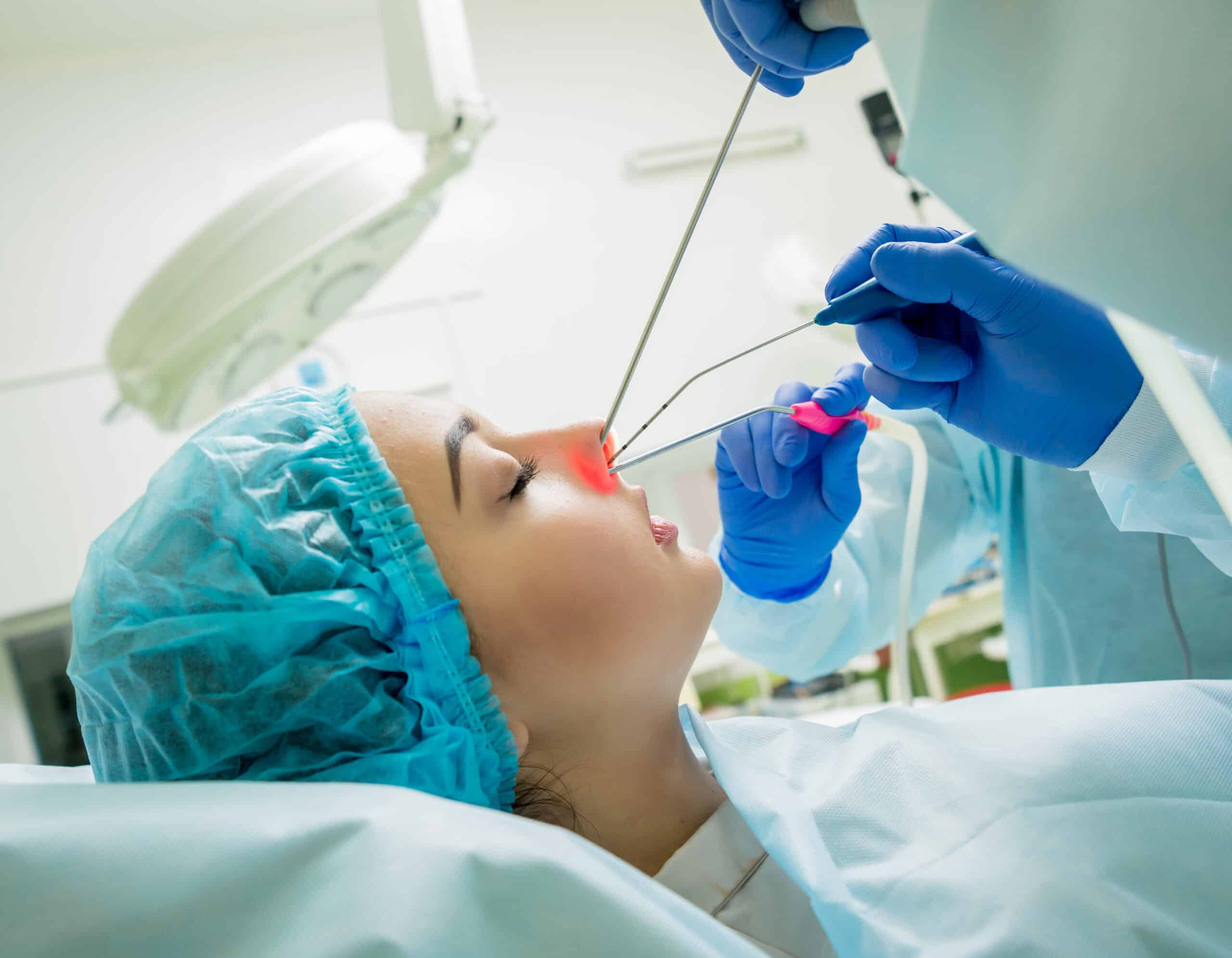
Recovery after endoscopic sinus surgery is one of the most common concerns patients bring to our board-certified surgeons at AOO | ENT Specialists of the Rockies in Denver, CO. That concern is valid, and it deserves an honest, detailed answer. While every patient’s experience is individual, most people find that recovery is more manageable than they anticipated, particularly with the right preparation and guidance. This page walks you through each phase of the recovery timeline, from the first hours after surgery through the weeks when final results begin to emerge.
If you have questions specific to your case, we encourage you to contact our team before your procedure.
Early Recovery After Endoscopic Sinus Surgery: The First Week
The First 24 to 48 Hours
During the first 24 to 48 hours following endoscopic sinus surgery, some degree of nasal congestion, mild to moderate facial pressure, and bloody drainage are normal and expected. Most patients also experience fatigue from anesthesia and the body’s initial healing response. Swelling in the nasal passages is typical during this window and may temporarily make breathing feel more restricted than it did before surgery.
Activity should be strictly limited during this phase. Most patients are advised to rest at home, avoid bending or lifting anything heavier than 10 pounds, and refrain from blowing the nose. Sneezing, if unavoidable, should be done with the mouth open to reduce pressure in the sinus cavities. Pain is typically managed well with prescribed or recommended medications, and most patients report that discomfort is milder than expected at this stage.
Days 3 Through 7
By days three through five, most patients notice a gradual improvement in facial pressure and overall comfort, though congestion often remains present due to residual swelling and crusting inside the nasal passages. Nasal saline rinses, typically recommended beginning 24 to 48 hours after surgery, play an important role in keeping the passages moist, reducing crusting, and supporting healthy healing.
Light activity, such as short, slow walks, is generally appropriate for most patients by mid-week, provided it does not cause increased pressure or bleeding. Most patients return to desk-based work or remote work responsibilities by the end of the first week, though individual timelines vary. A follow-up appointment is typically scheduled within the first week so your surgeon can assess healing, remove any packing or crusting, and answer questions about your progress.
Weeks 2 Through 4 and Long-Term Results
Continued Improvement Through Week 4
Recovery after endoscopic sinus surgery continues to progress noticeably through weeks two and three. Most patients find that facial pressure resolves significantly during this period, and many are able to breathe more comfortably through the nose for the first time in months or years. Crusting inside the nasal passages typically decreases as tissue heals, though regular saline irrigation remains important through this phase.
Most patients with desk-based or light-duty jobs return to work by the end of week one or the beginning of week two. Patients whose work involves physical exertion or extended standing may need to wait until week three or four, depending on surgical guidance. Exercise, including cardio and resistance training, is generally not recommended until at least two to three weeks post-operatively, and higher-intensity activity typically requires clearance at a follow-up visit.
When Final Results Become Visible
Full resolution of internal swelling and complete mucosal healing can take eight to twelve weeks, and in some cases slightly longer. Many patients notice meaningful improvement in sinus symptoms, including reduced congestion, improved drainage, and fewer sinus-related headaches, by weeks three and four. However, the most significant improvements in breathing quality and overall sinus function are often appreciated at the eight- to twelve-week mark. Individual results may vary based on the extent of the procedure, pre-existing anatomy, and adherence to aftercare instructions. Our deviated septum and nasal valve repair pages provide additional context if structural issues were addressed alongside your sinus procedure.
Tips for a Smooth Recovery
A few practical steps taken before and after surgery can have a meaningful impact on your recovery experience. The following guidance reflects the approach our team emphasizes with patients throughout the Denver area:
- Prepare your home before surgery. Stock saline rinse supplies, comfortable pillows for elevation, soft foods, and any prescribed medications so everything is ready when you return home.
- Sleep with your head elevated. Keeping your head elevated at approximately 30 to 45 degrees for the first week helps reduce swelling and promotes drainage. A wedge pillow can help maintain this position comfortably through the night.
- Begin saline irrigations as instructed. Regular nasal saline rinses are among the most important steps you can take to support healing. Follow your surgeon’s specific guidance on frequency and technique.
- Stay well hydrated. Adequate hydration supports mucosal healing and helps keep nasal secretions thinner, which eases drainage and comfort.
- Avoid blood thinners, aspirin, and NSAIDs unless specifically approved by your surgeon, as these may increase the risk of post-operative bleeding.
- Protect against sun exposure. If any external bruising is present around the nose or eyes, direct sun exposure may worsen discoloration and delay resolution. Use sun protection as advised.
- Avoid strenuous activity until cleared. High-impact exercise and heavy lifting can increase blood pressure in the nasal passages and raise the risk of bleeding or complications during early healing.
When to Contact the Office
Most aspects of recovery after endoscopic sinus surgery are predictable and manageable at home. However, certain signs warrant prompt communication with our team. Contact AOO | ENT Specialists of the Rockies if you experience any of the following:
- Bright red bleeding that does not slow with gentle pressure within 10 to 15 minutes
- Fever above 101.5 degrees Fahrenheit
- Severe or worsening headache not relieved by prescribed medications
- Clear fluid draining from the nose, which may in rare cases indicate a concern such as a cerebrospinal fluid leak
- Significant vision changes or eye swelling
- Signs of infection, including increasing pain, swelling, or foul-smelling discharge beyond the first few days
Do not hesitate to call if something feels unexpected. Our team would rather address a concern early than have a patient wait unnecessarily.
AOO | ENT Specialists of the Rockies: Our Approach to Aftercare
Supporting patients through recovery after endoscopic sinus surgery is a core part of the care our team provides in Denver, Lone Tree, and Castle Rock. Our board-certified surgeons schedule follow-up visits at key recovery milestones to monitor healing, address any crusting or concerns, and guide the return to full activity. Our practice has been serving Denver-area families since 1969, and our group of board-certified ENT surgeons and specialists brings extensive collective experience to every phase of surgical care, including post-operative management. Patients have access to our team throughout the recovery process, and our comprehensive, multi-specialty structure means that any related concerns involving nasal anatomy, allergy, or airway function can be evaluated within the same practice.
If you have questions about your upcoming procedure or would like to discuss recovery in more detail, we encourage you to reach out to our team directly.
Schedule a consultation with AOO | ENT Specialists of the Rockies to speak with one of our board-certified surgeons about what to expect from your procedure and recovery.
Frequently Asked Questions About Recovery After Endoscopic Sinus Surgery
How long does recovery after endoscopic sinus surgery typically take?
Most patients feel meaningfully better within two to three weeks, but full internal healing of the sinus tissue typically takes eight to twelve weeks. Recovery timelines vary depending on the extent of the procedure and individual healing rates. Your surgeon will give you a more specific estimate based on your case. Individual results may vary.
How is discomfort managed during recovery?
Most patients describe post-operative discomfort as mild to moderate and well-managed with prescribed or recommended medications. Facial pressure and congestion are more commonly reported than sharp pain. Your surgical team will provide specific guidance on pain management before you leave the facility. Contact the office if discomfort is not adequately controlled.
When can I return to work after endoscopic sinus surgery?
Most patients with sedentary or desk-based roles return to work within five to seven days. Patients whose jobs involve physical exertion, bending, or lifting may need two to four weeks before returning, depending on their surgeon’s clearance. Individual timelines vary based on the scope of the procedure and how recovery progresses in the first week.
When will I notice improvement in my sinus symptoms?
Many patients begin noticing improved nasal breathing and reduced sinus pressure by weeks three and four. The most significant gains in sinus function are often appreciated between eight and twelve weeks post-operatively, once internal swelling has fully resolved. Individual results may vary based on pre-existing anatomy and the nature of the procedure performed.
Is there anything specific I should do to support healing inside the nose?
Saline nasal irrigation is one of the most important aftercare steps and is typically recommended beginning 24 to 48 hours after surgery. Staying hydrated, sleeping with the head elevated, and avoiding nose blowing during the early recovery period also support internal healing. Your surgeon will provide specific aftercare instructions tailored to your procedure.
Take the Next Step Toward Better Sinus Health in Denver
If you are considering endoscopic sinus surgery or have questions about recovery after endoscopic sinus surgery, the board-certified surgeons at AOO | ENT Specialists of the Rockies are here to help. Our team has served patients across Denver, Lone Tree, and Castle Rock for more than fifty-five years. Contact our office to schedule a consultation and get the answers you need.

Dr. Jeffrey Cutler is board-certified with the American Board of Otolaryngology and received his medical degree at Tulane University Medical School in New Orleans. He performed his residency at Vanderbilt University Medical Center in Nashville. In addition, he completed a 1 year fellowship in nasal and endoscopic sinus surgery. His area of expertise includes the medical and surgical treatment of complicated sinus and skull base diseases. Dr. Cutler has published many articles on office based nasal and sinus procedures - particularly on balloon sinus and Eustachian tube dilation When not at the office, he enjoys spending time outdoors with his family, skiing and cycling.



 Pay Bill
 Reviews
 Contact
 SCHEDULE