 720-897-7160
 Denver

Deviated Septum Surgery Results: What to Expect
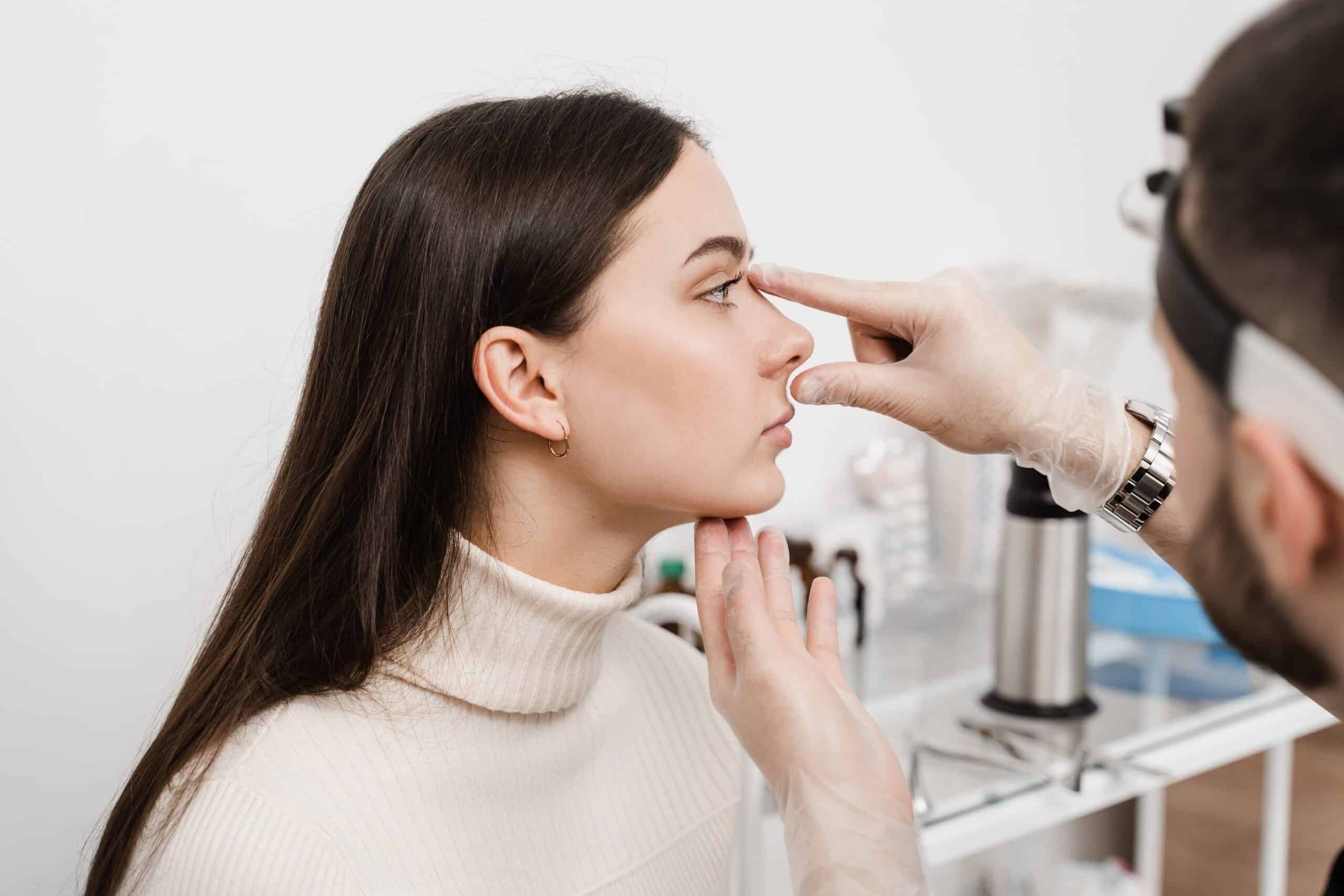
If you are researching what to expect before and after a septoplasty procedure, you are taking an important step toward understanding your options. A deviated septum occurs when the thin wall of cartilage and bone separating the two nasal passages is displaced to one side, which may contribute to chronic nasal obstruction, difficulty breathing, disrupted sleep, and recurring sinus issues. Septoplasty is a surgical procedure that may help correct the position of the septum and restore more balanced airflow. If you have questions about whether this procedure is right for you, contact AOO | ENT Specialists of the Rockies to schedule a consultation.
To speak with our team directly, please contact AOO | ENT Specialists of the Rockies today.
Understanding Deviated Septum Surgery and How It Works
Septoplasty is a functional surgical procedure performed to reposition or reshape the nasal septum. Unlike cosmetic rhinoplasty, which focuses on changing the external appearance of the nose, septoplasty is performed with the primary goal of improving nasal airflow. In some cases, your surgeon may recommend combining septoplasty with other procedures, such as nasal airway reconstruction, to address contributing structural issues.
What Happens During the Procedure
During a septoplasty, the surgeon works through the nostrils without making external incisions. Depending on the anatomy involved, portions of the cartilage or bone may be repositioned, trimmed, or reshaped to straighten the septum. The procedure is typically performed under general anesthesia and takes approximately one to two hours, though timing varies based on each patient’s individual anatomy and the complexity of the correction needed.
Functional Rhinoplasty as a Combined Approach
For patients whose nasal obstruction involves both a displaced septum and weakened or collapsed nasal valves, a combined functional rhinoplasty approach may be recommended. At AOO | ENT Specialists of the Rockies, our board-certified surgeons have extensive experience evaluating the full structural picture of nasal obstruction before recommending a surgical plan. Patients experiencing nasal obstruction related to nasal valve conditions may benefit from a coordinated surgical approach to address all contributing factors at once. Individual results may vary, and candidacy for any combination procedure should be evaluated by a qualified ENT specialist.
Deviated Septum Surgery Results: What to Expect During Recovery
Understanding deviated septum surgery results: what to expect during the recovery period is just as important as understanding the procedure itself. Recovery from septoplasty generally follows a predictable progression, though individual timelines may vary based on the extent of the correction performed and each patient’s overall health.
The First Week
In the days immediately following surgery, patients typically experience nasal congestion, mild swelling, and some drainage. Internal splints or soft packing may be placed during surgery to support the septum as it begins to heal; these are usually removed within the first week at a follow-up appointment. Most patients are advised to rest, avoid strenuous activity, and keep their head elevated to help manage swelling. Bruising around the nose and eyes is possible, though the degree of bruising varies by individual.
Weeks Two Through Six
As the initial swelling resolves, many patients begin to notice an improvement in nasal airflow within the first two to four weeks following surgery. However, because internal tissues continue to heal and remodel for several months, the full extent of breathing improvement may not be apparent until swelling has fully subsided. Patients who also experience concerns such as nasal fractures in combination with a deviated septum may have a slightly different recovery timeline. Our team provides individualized recovery guidance based on each patient’s specific procedure and anatomy.
Long-Term Healing
Complete internal healing from septoplasty generally takes three to six months. During this period, the cartilage and surrounding tissues continue to settle into their new position. Patients are encouraged to attend all scheduled follow-up appointments so their surgeon can monitor healing progress and address any concerns that arise. Individual results may vary.
What Deviated Septum Surgery May Improve: Setting Realistic Expectations
One of the most common questions patients bring to their consultation is what deviated septum surgery results: what to expect in terms of functional improvements. It is important to approach this question with realistic expectations and an understanding that outcomes depend on each patient’s unique anatomy, the severity of the deviation, and whether other contributing factors are present.
Potential Breathing and Quality-of-Life Improvements
Research suggests that septoplasty may help reduce nasal obstruction and improve airflow in appropriately selected patients. Many patients report that they experience improved ease of breathing through the nose following recovery. For patients whose sleep disturbances are related in part to nasal obstruction, improved nasal airflow may also support better sleep quality. Patients interested in the relationship between nasal obstruction and sleep are encouraged to explore our sleep health resources. Individual results may vary, and surgery does not guarantee resolution of all symptoms.
What Septoplasty Does Not Address
It is equally important to understand the limitations of septoplasty. The procedure addresses structural displacement of the septum but does not treat underlying allergy-related inflammation, chronic sinusitis, or other conditions that may independently contribute to nasal congestion. Patients with coexisting conditions such as allergies or sinus disease may benefit from a comprehensive evaluation that addresses all contributing factors. Our practice offers allergy treatment and sinus care alongside surgical services, allowing for a coordinated plan when multiple issues are present.
When to Consult Your Surgeon About Concerns
If breathing does not improve as expected after full healing has occurred, or if symptoms return after an initial period of improvement, patients should consult their surgeon. In some cases, additional evaluation or treatment may be appropriate. Our team is available to guide patients through every stage of their care.
Why Choose AOO | ENT Specialists of the Rockies in Denver, CO
AOO | ENT Specialists of the Rockies has been serving patients and families throughout the Denver Metro area since 1969, building more than fifty-five years of experience as a comprehensive ENT practice. Our group of board-certified surgeons includes general ENT surgeons, head and neck surgeons, sinus and allergy specialists, and facial cosmetic and reconstructive surgeons, giving patients access to a full spectrum of coordinated care under one practice.
Our surgeons have earned recognition for their clinical excellence, with multiple providers receiving 5280 Top Doctor Awards in recent years. Patients throughout Denver, Lone Tree, and Castle Rock trust our team with complex nasal and sinus concerns precisely because of our depth of experience and commitment to individualized care. To learn more about the providers who may evaluate and treat your condition, we invite you to meet our ENT specialists serving Denver, Lone Tree, and Castle Rock. If you are ready to discuss your deviated septum surgery results, including what to expect for your specific situation, our team is here to help.
Frequently Asked Questions
How long does it typically take to see the final results after deviated septum surgery?
Most patients begin noticing improved nasal airflow within the first several weeks after surgery, once initial swelling starts to resolve. However, internal tissues continue to heal and remodel for three to six months following the procedure. The full extent of breathing improvement may not be apparent until healing is complete. Individual results may vary, and your surgeon can give you a more personalized timeline based on your specific procedure. Attending all follow-up appointments supports optimal outcomes.
Will deviated septum surgery change the appearance of my nose?
Septoplasty is a functional procedure focused on correcting internal structural displacement to improve airflow. It is performed entirely through the nostrils and is not intended to change the external appearance of the nose. If a patient has cosmetic concerns in addition to functional ones, a combined approach involving functional rhinoplasty may be discussed separately with your surgeon. Any changes to external nasal appearance would only occur if explicitly planned and consented to as part of a broader surgical plan.
Is deviated septum surgery appropriate for patients who also have allergies or chronic sinusitis?
A deviated septum and conditions such as allergies or chronic sinusitis can coexist and may each independently contribute to nasal congestion and breathing difficulty. Septoplasty addresses the structural component but does not treat inflammatory or allergy-driven congestion. Patients with coexisting conditions may benefit from a comprehensive evaluation that develops a coordinated treatment plan addressing all contributing factors. Our practice offers allergy treatment alongside surgical care, which may be an important consideration for some patients. Consult with your provider for individualized guidance.
Are there risks associated with deviated septum surgery that patients in Denver should be aware of?
As with any surgical procedure, septoplasty carries potential risks, which may include bleeding, infection, temporary changes in sensation, or the possibility that symptoms do not fully resolve. Living at Denver’s higher altitude may be a factor your surgeon considers when discussing your recovery and expectations, as altitude can influence nasal physiology. A thorough pre-operative consultation with one of our board-certified surgeons will help ensure you have a complete and individualized understanding of the potential risks and benefits relevant to your situation.
How do I know if I am a good candidate for deviated septum surgery?
Candidacy for septoplasty is determined through a comprehensive evaluation that typically includes a review of your symptoms, medical history, and a nasal examination. Patients who have persistent nasal obstruction that has not responded adequately to non-surgical management may be evaluated for surgical options. Our board-certified ENT specialists in Denver, Lone Tree, and Castle Rock can help determine whether septoplasty, a combined approach, or an alternative treatment may be most appropriate for your specific anatomy and concerns. Contact our team to schedule a consultation.
Contact Us
If you are ready to learn more about what to expect in the context of your own health, the board-certified ENT specialists at AOO | ENT Specialists of the Rockies in Denver, CO are here to help. Our team brings decades of surgical experience and a comprehensive approach to nasal and sinus care. Contact our team today to schedule your consultation and take the next step toward improved nasal health.

With more than 25 years experience, Dr. Christopher Cote is double-board-certified by the American Board of Otolaryngology and the American Board of Facial and Reconstructive Surgery. He received his medical degree from Tufts University and performed a surgical internship and residency at Walter Reed Medical Center and National Naval Medical Center. He received fellowship training at Johns Hopkins University in Facial Plastic And Reconstructive Surgery, his subspecialty area of expertise and focus, including rhinoplasty and nasal airway surgery. He also enjoys hiking, skiing, and traveling with his family.



 Pay Bill
 Reviews
 Contact
 SCHEDULE