
 720-897-7160
 Denver

Why Do My Ears Feel Clogged?
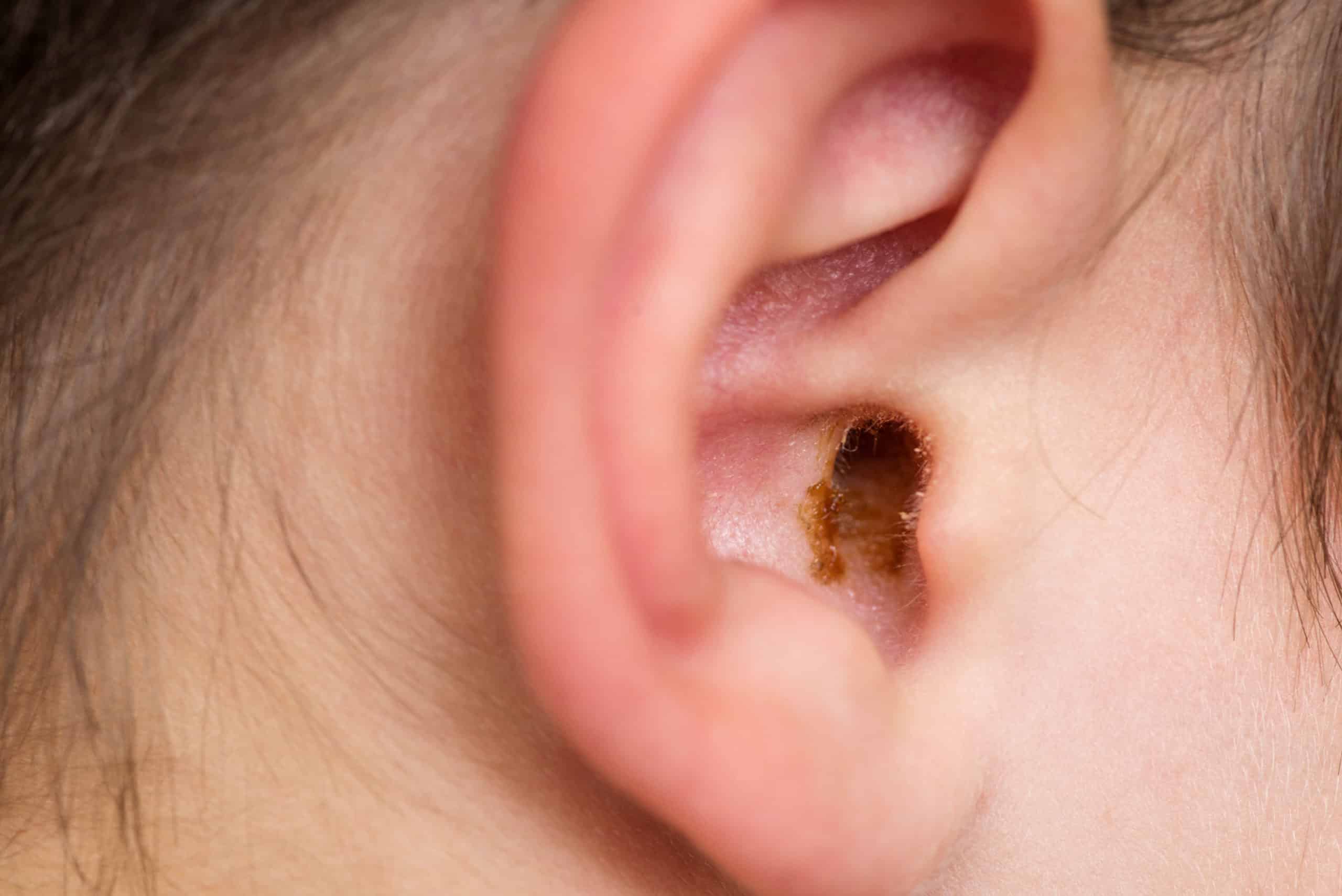
Do your ears feel so plugged up that you’re not sure whether to pop, chew, or just let them be? If you’ve ever experienced a clogged sensation in your ears, you might be wondering, “Why do my ears feel clogged?” and “What exactly is causing this feeling?” You might have thought it was an ear infection or that you hadn’t cleaned your ears in a while. However, many other causes could be the culprit behind this clogged sensation.
Symptoms like muffled hearing, fullness, and discomfort are common when your ears feel clogged. Common causes of clogged ears include excess earwax, sinus congestion, allergies, changes in altitude, water trapped in the ear canal, upper respiratory infections, and Eustachian tube dysfunction. Gentle approaches are most effective and safest for ear health when dealing with clogged ears. Continue reading to learn more about some of the possible causes of clogged ears and when you should see an ENT specialist.
Earwax Buildup
If you’ve ever experienced an earache and felt like your ears were plugged up, it might be caused by earwax buildup. Earwax is a natural material produced by the body that acts as a coating on the inner ear. The body naturally produces earwax – but not in clumps. If you experience clumps of earwax, it could result in your ears being clogged.
Impacted earwax is one of the most common reasons behind clogged ears and can cause symptoms such as dulled hearing, itching, ear pain, and sometimes ringing in the ears. Most people will experience earwax-related clogging at some point in their lives.
If you’re experiencing earwax buildup, there are a few treatment options. Your ENT specialist can clean them out with specialized tools during a quick, in-office appointment. Over-the-counter ear drops can help soften earwax if it is the cause of clogged ears, and after softening, warm water from the shower can help flush it out (unless the eardrum is perforated). Avoid inserting cotton swabs or other objects into your ears, as they can push wax deeper and cause injury. Be wary of over-the-counter drops or cleaning treatments, since these can damage your ears or cause infection.
Sinus Congestion
Sinus congestion occurs when the sinuses become irritated, often due to inflammation and swelling of the nasal and sinus tissues. This can be triggered by infection, prolonged allergies, or a cold. Colds typically involve inflammation and excessive mucus production in the nose and sinuses, which can also extend to the ears. When you have a sinus infection, the tissues in the nose begin to swell and narrow the nasal passages. This increased pressure from your sinus congestion can also affect the ears. If they cannot equalize the pressure, they will likely become clogged.
Sinuses drain through the Eustachian tubes, which connect the nasal cavity and middle ear. The Eustachian tube can become swollen or plugged during a cold, trapping fluid and pressure in the ear. These tubes are responsible for equalizing the pressure between your ears and the environment. If they cannot open up and drain, pressure builds up in the middle ear. The symptoms of sinus congestion include pain in the face, particularly behind the eyes, and a clogged feeling in the ears. In some cases, you may experience pain or severe discomfort.
You may need to see your ENT specialist for sinus infection treatment to get rid of the clogged feeling in your ears. Over-the-counter medications and nasal sprays may also help relieve allergy-related congestion and support Eustachian tube function. Decongestants like pseudoephedrine (Sudafed) can help with congestion but may worsen Eustachian tube dysfunction in some cases.
Fluid in the Ears
You may experience a clogged sensation in your ears if you have fluid in your ears. This could be water from swimming, excessive sweating, or even from a drop in temperature. This material can be flushed out of the ear with a few drops of warm, saline water. However, this should never be done if your eardrum is perforated or damaged. If the ear canal is sore or painful, you should also see an ENT specialist before doing this.
After swimming or bathing, it is important to keep your ears dry to help prevent clogged ears. This can help prevent further damage to your ear and a cloggy sensation from occurring in the future. If your ears stay plugged for longer than a week or two following a cold, it may be a sign of a persistent problem.
Eustachian Tube Dysfunction
Eustachian tube dysfunction is a frequent cause of clogged ears and can lead to a range of uncomfortable symptoms. The eustachian tubes are small passages that connect the middle ear to the back of the throat, helping to regulate air pressure and drain fluid from the ear canal. When these tubes become blocked, swollen, or do not function properly, you may notice your ears feel clogged, plugged, or full. This can also result in ear pain, muffled hearing, and even a sensation of pressure that just won’t go away.
When the eustachian tubes are not able to drain fluid or equalize air pressure effectively, it can set the stage for middle ear infections. These infections can cause severe ear pain, hearing loss, and other associated symptoms such as ringing or dizziness. If eustachian tube dysfunction is left untreated, symptoms may linger and become more severe, potentially leading to chronic hearing issues or persistent discomfort.
Treatment options for eustachian tube dysfunction depend on the underlying cause and how severe your symptoms are. For mild cases, simple home remedies like yawning, chewing gum, or swallowing can help relieve pressure and encourage the tubes to open. Nasal sprays may also be recommended to reduce swelling and help drain fluid from the ear canal. In more severe cases, especially if a middle ear infection develops, your healthcare provider may prescribe antibiotics or suggest other medical interventions. Occasionally, surgery may be necessary to correct persistent problems.
To help prevent eustachian tube dysfunction or avoid making it worse, steer clear of using cotton swabs to remove earwax, as this can push wax deeper into the ear canal and block the tubes further. Instead, try using warm water to gently soften earwax, or see a healthcare provider for safe removal. If you are prone to ear problems, minimizing unnecessary air travel or altitude changes can also help reduce your risk.
If your ears feel clogged for more than two weeks, or if you experience severe ear pain, discharge, or difficulty hearing, it’s important to consult a healthcare provider. With the right treatment and care, most people can restore normal hearing and relieve the uncomfortable sensation of clogged ears caused by eustachian tube dysfunction.
Changes in Altitude
If you live at a higher altitude than average, you could be more susceptible to ear pressure changes. Altitude changes, such as during air travel, can cause rapid shifts in air pressure, leading to blocked or muffled ears. Most people experience these symptoms during air travel or when exposed to significant altitude changes.
The body is meant to fight against the effects of altitude at a certain point. The ears, sinuses, and lungs are meant to compensate for the pressure changes due to altitude. If you’re visiting an area of higher altitude, it can take a few days for your body to adjust. Therefore, you could feel clogged-up, blocked, or muffled ear sensations during this time.
To relieve pressure in your ears, you can try gentle techniques such as yawning, chewing gum, or performing the Valsalva maneuver. The Valsalva maneuver involves gently blowing out while keeping your nostrils pinched closed and your mouth shut. These techniques help restore normal air flow and pressure in the ears, promoting natural clearing and comfort.
When Should You See An ENT Doctor?
If you’re experiencing a cloggy feeling in your ears and it bothers you or doesn’t go away, you should consult a healthcare provider, especially if symptoms linger or if you experience pain, dizziness, or hearing issues. Severe cases, such as severe pain, bleeding from the ear, facial weakness, severe dizziness, or sudden hearing loss, require immediate attention from a healthcare provider.
If you have chronic ear issues, such as an infection or chronic earwax buildup, then your ENT specialist at AOO | ENT Specialists of the Rockies can help you with long-term treatment based on the underlying causes. To meet with our ENT team and achieve relief from clogged ears, contact our Denver office by calling or filling out our online form.

Associates of Otolaryngology, or, AOO | ENT Specialists of the Rockies has been serving multiple generations of families across the Denver Metro area since 1969. Our group of board-certified surgeons has been providing award-winning treatment and exceeding patients’ expectations with our specialized ENT services for over fifty-five years.
Thanks to our exceptional providers, we are an all-encompassing, comprehensive ENT practice. Our expert team of specialists includes general ENT surgeons, head and neck surgeons, sleep, sinus, and allergy specialists, and facial cosmetic and reconstructive surgeons. In addition, our team of providers is supported by doctoral-level audiologists, physician assistants, and nurse practitioners.




 Pay Bill
 Reviews
 Contact
 SCHEDULE