 720-897-7160
 Denver

Vocal Cord Paralysis and Swallowing Problems: What Patients Should Know
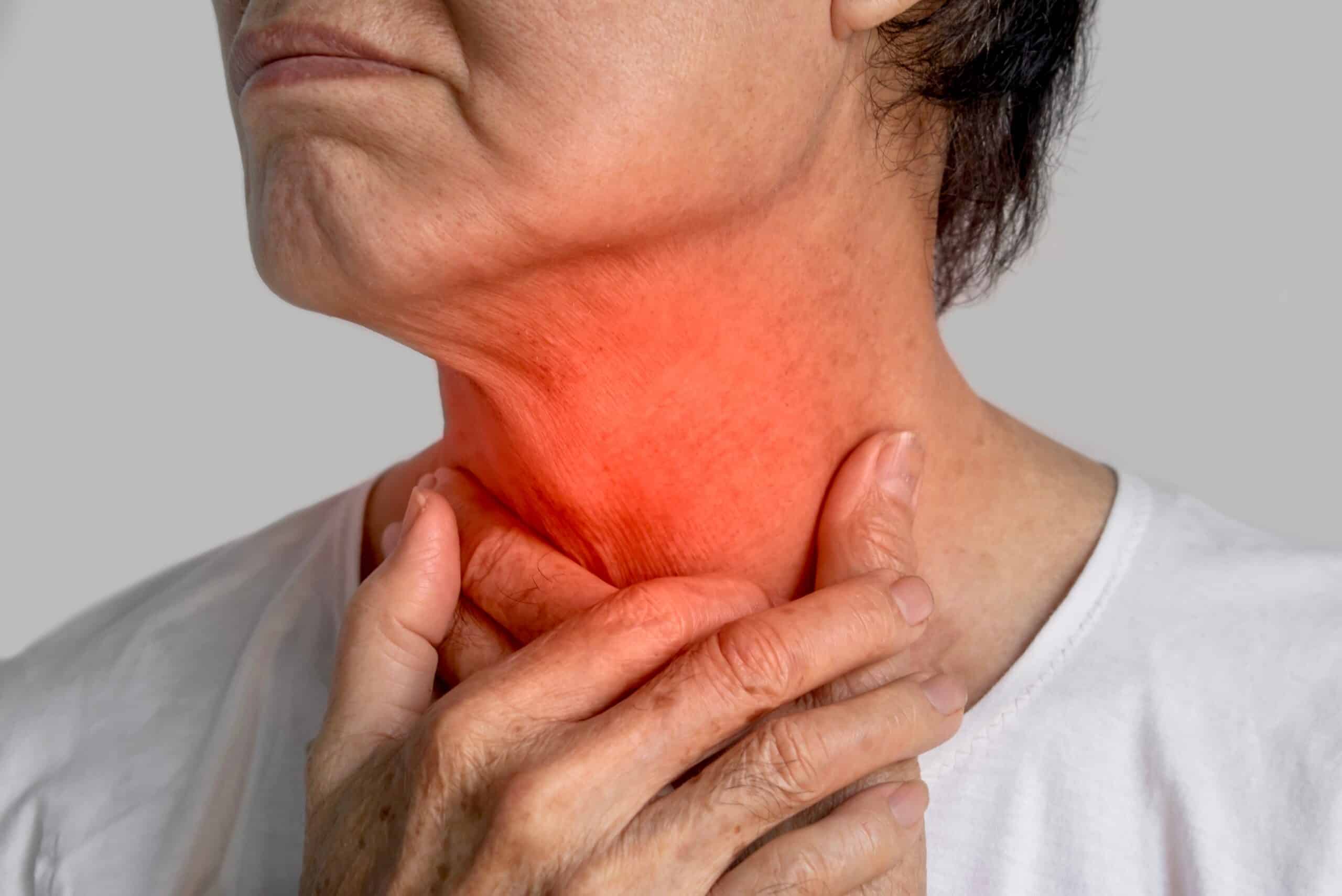
Vocal cord paralysis is a condition that affects the movement of one or both vocal folds, and it can have a significant impact on a person’s voice, breathing, and ability to swallow safely. For patients in Denver, CO who are experiencing unexplained hoarseness, a weakened voice, or difficulty swallowing, understanding this condition is an important first step toward finding appropriate care. This resource is designed for patients in research mode who want clear, accurate information before speaking with a specialist. If you have concerns about vocal cord paralysis or related symptoms, we encourage you to reach out to our team to schedule a consultation.
What Is Vocal Cord Paralysis and What Causes It?
Vocal cord paralysis occurs when the nerve signals to the larynx, commonly known as the voice box, are disrupted. This disruption prevents one or both vocal cords from moving properly. The condition may affect only one cord, which is referred to as unilateral paralysis, or both cords, which is referred to as bilateral paralysis. Bilateral paralysis is less common but tends to be more serious, as it may interfere with the airway.
Common Underlying Causes
Research suggests that vocal cord paralysis can result from a wide range of causes. Injury to the recurrent laryngeal nerve or the vagus nerve during surgery, such as thyroid, chest, or neck procedures, is among the more frequent contributing factors. Tumors affecting the chest, neck, or skull base, including both benign and cancerous growths, may also compress or damage these nerves. Certain cancers, such as thyroid, lung, esophageal, or head and neck cancers, can also cause vocal cord paralysis by directly involving or compressing the nerves that control vocal cord movement. Tumors affecting the chest, neck, or skull base may also compress or damage these nerves. Neurological conditions, including stroke, multiple sclerosis, and Parkinson’s disease, have been associated with vocal cord paralysis in some patients. Viral infections and, in some cases, inflammation may also play a role. In a meaningful number of cases, no identifiable cause is found, and the condition is classified as idiopathic. Because the causes vary widely, evaluation by a board-certified ENT specialist is important for accurate diagnosis. Our team at AOO | ENT Specialists of the Rockies, serving Denver and the surrounding area, includes providers with broad experience across complex head and neck conditions.
Vocal Cord Paralysis and Swallowing Problems: The Connection Patients Should Understand
One of the less immediately obvious consequences of vocal cord paralysis is its effect on swallowing. Many patients focus on voice changes and are surprised to learn that difficulty swallowing, known medically as dysphagia, is a common associated concern. The vocal cords play a protective role during swallowing by closing to prevent food, liquid, or saliva from entering the airway. When one or both cords cannot close fully, this protective mechanism may be compromised.
How Swallowing Difficulties May Present
Patients with vocal cord paralysis may notice coughing or choking during or after meals, a sensation that food or liquid is entering the airway, a wet or gurgly quality to the voice after eating, or recurring respiratory infections that may be related to aspiration. These symptoms can vary in severity, and individual results may vary depending on which cord is affected, the degree of paralysis, and any underlying conditions involved. Patients who also experience swallowing trouble alongside voice changes should discuss both concerns with their provider, as the two are often evaluated together. Early evaluation may help reduce the risk of aspiration-related complications and can guide appropriate management.
Evaluation and Treatment Options for Vocal Cord Paralysis
A thorough evaluation is essential when vocal cord paralysis is suspected. Diagnosis typically involves a detailed patient history, a physical examination of the throat and larynx, and laryngoscopy, a procedure in which a small camera is used to visualize the vocal cords directly. Additional imaging, such as CT or MRI scans, may be recommended to identify any underlying structural causes affecting the nerve pathways.
Non-Surgical Management
Voice therapy with a speech-language pathologist is often recommended as part of an initial approach. Voice therapy may help patients improve vocal cord function, voice quality, and swallowing safety through targeted exercises, and research suggests it can be beneficial for many patients with unilateral paralysis.
Surgical and Procedural Options
When conservative management is not sufficient, several procedural options may be considered. Injection laryngoplasty involves injecting a material into the affected vocal cord to reposition it closer to the midline, which may improve both voice and swallowing function. Medialization thyroplasty is a surgical procedure that repositions the vocal cord to improve closure. In select cases of bilateral paralysis where breathing is affected, surgical procedures to widen the airway may be appropriate. A consultation with one of our ear, nose, and throat specialists in Denver, Lone Tree, and Castle Rock can help determine which approach may be most appropriate based on your individual circumstances. Results vary by individual, and the treating provider will discuss realistic expectations during your consultation.
Why Choose AOO | ENT Specialists of the Rockies in Denver, CO?
AOO | ENT Specialists of the Rockies has been serving multiple generations of families across the Denver Metro area since 1969, bringing more than fifty-five years of specialized ENT experience to patients throughout the region. Our group of board-certified surgeons includes general ENT specialists, head and neck surgeons, and facial cosmetic and reconstructive surgeons, giving our practice the depth to evaluate and manage complex conditions such as vocal cord paralysis from multiple angles. Several of our providers have received recognition through the 5280 Top Doctor Awards, reflecting a consistent commitment to quality patient care. Our providers bring diverse clinical backgrounds, including experience at academic and military medical centers, that inform a thoughtful, evidence-based approach to care. If you are in Denver, Lone Tree, Castle Rock, or the surrounding communities and are looking for experienced, board-certified specialists who take the time to understand your concerns, we invite you to contact our team to schedule an evaluation.
You may also find helpful information on related topics in our ENT blog, where our specialists share educational resources for patients across the Denver area.
Frequently Asked Questions About Vocal Cord Paralysis
Can vocal cord paralysis resolve on its own?
In some cases, particularly when the cause is a viral infection or a nerve injury that has not severed the nerve completely, vocal cord paralysis may improve over time without intervention. Research suggests that spontaneous recovery can occur within the first year following onset in certain patients. However, individual results may vary, and a board-certified ENT provider can help monitor your progress and determine whether additional treatment may be beneficial for your specific situation.
Is vocal cord paralysis the same as vocal cord dysfunction?
These are distinct conditions. Vocal cord paralysis refers to a loss of normal movement due to nerve disruption, while vocal cord dysfunction describes abnormal vocal cord movement that occurs without a structural or neurological cause. Both conditions can affect voice and breathing, but they have different underlying mechanisms and may require different management approaches. A thorough evaluation by a specialist helps distinguish between the two and guide appropriate care.
What symptoms suggest I should see an ENT specialist for possible vocal cord paralysis?
Persistent hoarseness lasting more than two to three weeks, a breathy or weakened voice, difficulty projecting your voice, coughing or choking when eating or drinking, and shortness of breath with exertion are among the symptoms that warrant evaluation. These symptoms can have multiple causes, so it is important not to self-diagnose. A board-certified ENT specialist can perform a laryngoscopy and recommend appropriate next steps based on your individual presentation.
Are there specialists in the Denver area who have experience with vocal cord conditions?
Yes. AOO | ENT Specialists of the Rockies serves patients across the Denver Metro area, including Lone Tree and Castle Rock, with a team of board-certified ENT surgeons who have extensive experience evaluating and managing voice and swallowing conditions. Our comprehensive practice includes head and neck surgeons whose clinical scope encompasses laryngeal conditions. We encourage patients in the region to schedule a consultation so our team can assess your concerns and discuss individualized options with you.
How does vocal cord paralysis affect children differently than adults?
Vocal cord paralysis in children may present differently than in adults, and the underlying causes can also differ. In pediatric patients, congenital factors, birth trauma, or complications from cardiac or thoracic surgery are among the more common contributing causes. Feeding difficulties and breathing concerns may be more prominent in younger children, while older children may present with voice changes. Our practice includes specialists with experience in pediatric ENT care, and we work to evaluate each patient within the appropriate developmental context. Individual results and management approaches may vary based on the child’s age, the affected cord, and the underlying cause.
Schedule a Consultation for Vocal Cord Paralysis in Denver, CO
If you or a family member may be experiencing symptoms of vocal cord paralysis in the Denver, CO area, the board-certified team at AOO | ENT Specialists of the Rockies is here to help. With more than fifty-five years of experience serving the Denver Metro community, our specialists are equipped to evaluate your concerns and discuss appropriate options with you. Contact our team today to schedule your consultation.

Associates of Otolaryngology, or, AOO | ENT Specialists of the Rockies has been serving multiple generations of families across the Denver Metro area since 1969. Our group of board-certified surgeons has been providing award-winning treatment and exceeding patients’ expectations with our specialized ENT services for over fifty-five years.
Thanks to our exceptional providers, we are an all-encompassing, comprehensive ENT practice. Our expert team of specialists includes general ENT surgeons, head and neck surgeons, sleep, sinus, and allergy specialists, and facial cosmetic and reconstructive surgeons. In addition, our team of providers is supported by doctoral-level audiologists, physician assistants, and nurse practitioners.




 Pay Bill
 Reviews
 Contact
 SCHEDULE