
 720-897-7160
 Denver

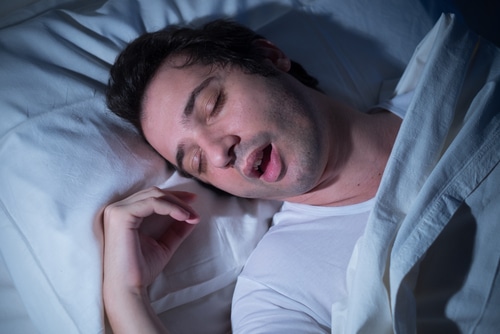
Snoring is a common issue, but that does not make it harmless or easy to ignore. For many patients, snoring affects sleep quality, partner comfort, and overall well-being. In some cases, it can also be a sign of a larger breathing problem that deserves medical attention.
What is a Somnoplasty?
Somnoplasty is an in-office procedure used to reduce snoring. We perform it under local anesthesia for comfort, and it works by creating a heat reaction with radiofrequency ablation of the soft palate. Over time, that tissue becomes firmer and less likely to vibrate during sleep, which can reduce the sound of snoring. For the right patient, it offers a simple, minimally invasive option
Why Snoring Happens
Snoring is not caused by a single problem in every patient. It can be related to the soft palate, uvula, tongue position, nasal obstruction, sinusitis, allergies, tonsil disease, or other structural issues in the airway. Because of that, treating snoring well starts with identifying the cause rather than assuming one procedure will fit every case.
Who May Be a Candidate for a Somnoplasty?
Somnoplasty may be a good choice for patients whose snoring appears to come mainly from the soft palate. It can be especially useful when the snoring is disruptive but not clearly caused by a more complex airway issue. Because every patient’s airway is different, the best way to know whether somnoplasty is appropriate is to start with an exam and a conversation about symptoms, goals, and prior treatment attempts.
Patients who have loud snoring, restless sleep, daytime fatigue, gasping, or witnessed breathing pauses may need a broader evaluation for sleep apnea. In those cases, we may recommend sleep testing or another treatment strategy instead of moving directly to snoreplasty. That helps us avoid missing a more serious sleep-related breathing disorder.
How the Procedure Works
Before somnoplasty is done, your provider may perform an in-office evaluation of the upper airway to confirm whether the procedure is appropriate. This step helps determine whether the snoring is likely coming from soft-palate vibration and whether other contributors should be addressed first. That evaluation is important because breathing-related sleep disorders can involve more than one problem at the same time.
Recovery After Treatment
Recovery after Somnoplasty is generally straightforward. You may notice a mild sore throat or tenderness at the treatment site, and the soft palate and uvula can feel swollen for a few days. Most patients do not need to change their diet, and over-the-counter pain medication is usually enough for temporary discomfort.
Why Professional Evaluation Matters
Snoring may seem like a simple annoyance, but it can point to structural or sleep-disordered breathing issues that deserve medical attention. At AOO | ENT Specialists of the Rockies, we evaluate snoring to determine whether the problem is coming from the nose, throat, palate, tongue, or a combination of causes. That evaluation helps us decide when Somnoplasty is a good match and when another treatment may be more effective.
This step is especially important when general snoring tips have not helped. Lifestyle changes may reduce snoring for some patients, but persistent or worsening symptoms may require a procedural option or a broader sleep-disordered breathing workup. We take that broader view because snoring is often only one part of the picture.
Our sleep team brings together expertise in otolaryngology and sleep medicine so we can approach snoring with both precision and perspective. Dr. Keith Swartz is dual board-certified in Otolaryngology and Sleep Medicine, and he brings experience in full-spectrum sleep diagnostic evaluation, home sleep testing, non-invasive and minimally invasive snoring treatment, and advanced obstructive sleep apnea care. That combination allows us to tailor treatment to the source of the problem instead of using a one-size-fits-all approach.
Dr. Swartz joined our practice after 16 years in the United States Air Force, where he served as Chief of the Department of Otolaryngology and Medical Director of the Department of Sleep Medicine at the United States Air Force Academy. His background includes leadership in sleep medicine, airway care, and head and neck procedures, which supports the thorough and individualized approach we use when evaluating patients with snoring or sleep apnea concerns.
Before recommending Somnoplasty, we look closely at the airway to understand what is causing the snoring. In some patients, the soft palate is the main issue. In others, the tongue, nose, or another part of the airway contributes more significantly. That is why a complete evaluation matters: it helps us choose a treatment plan that fits the patient’s anatomy, symptoms, and goals.
What Makes Our Sleep Team Different
Our sleep team is built to evaluate the full picture, not just one symptom. Dr. Swartz’s training in sleep medicine and otolaryngology gives us the ability to connect airway anatomy with sleep quality, snoring patterns, and obstructive sleep apnea concerns. That makes it easier to select the right treatment and avoid unnecessary steps.
Schedule a Consultation
If snoring is affecting your sleep or your household, we can help determine the cause and recommend the right treatment. At AOO | ENT Specialists of the Rockies, we combine careful airway evaluation with experience in snoring and sleep apnea care so patients can move forward with a plan that makes sense for them. Schedule a consultation today by calling us at (303) 744-1961 or filling out our online form.






 Pay Bill
 Reviews
 Contact
 SCHEDULE